Maria Montessori was onto something real. A century of research proves it. But science has also evolved.

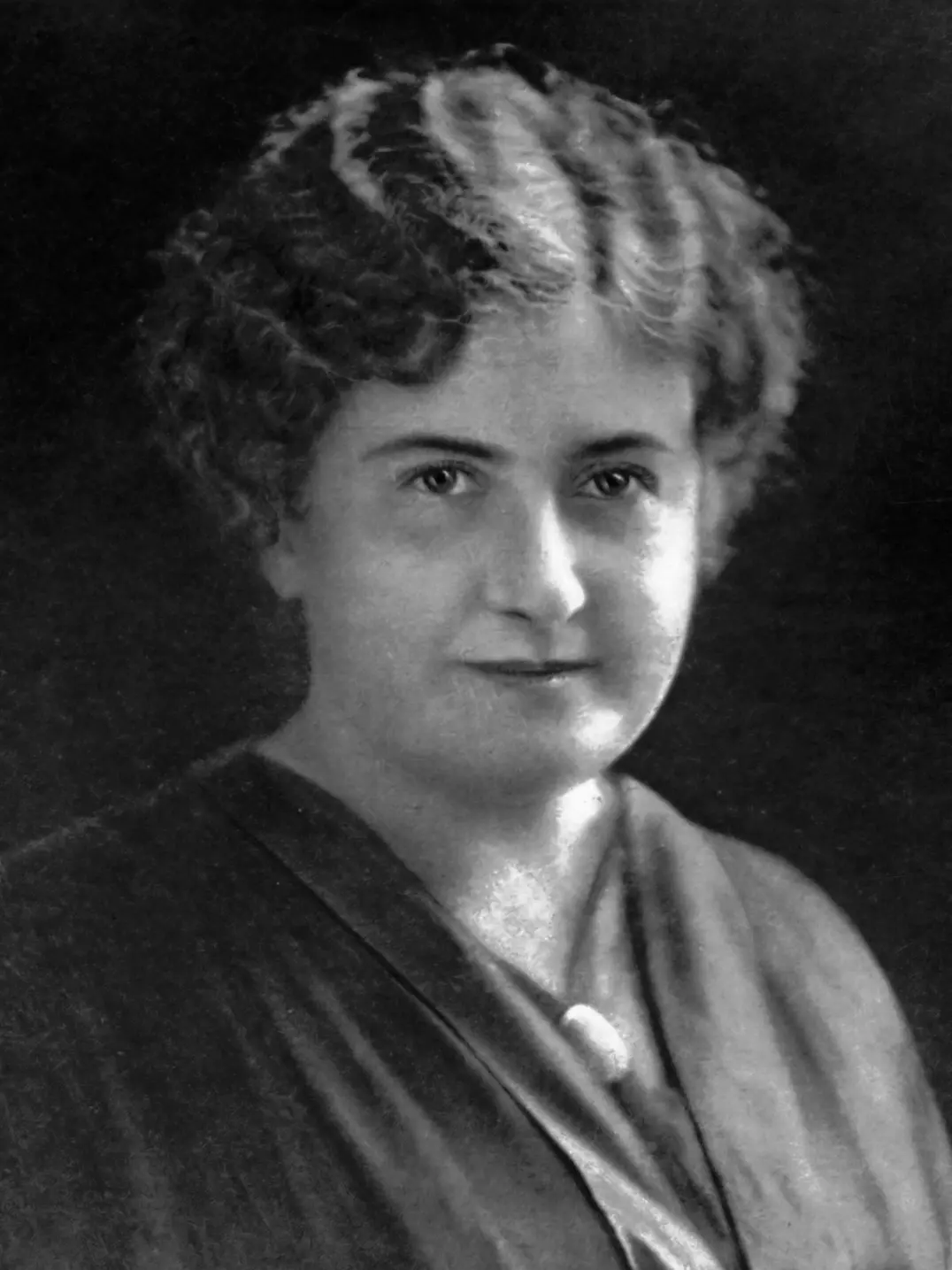
When Maria Montessori opened her first "Casa dei Bambini" in a Rome slum in 1907, she did something unusual for her time: she watched children instead of lecturing them.
She was trained as a medical doctor, not an educator. That outside perspective let her see what others missed. Children, given the right environment, could teach themselves. They didn't need gold stars or punishments. They needed materials they could touch, time to explore, and adults who knew when to step back.
A century later, thousands of schools carry her name. And a growing body of research confirms many of her core insights still hold up.
A 2017 review published in npj Science of Learning examined the evidence behind Montessori education. Here's what holds up.
When children choose their own activities, they develop intrinsic motivation that lasts. The authors compared children in a high fidelity Montessori program with children in average, conventional environments. The Montessori group showed stronger academic skills, better executive function, and more developed social reasoning.
Montessori's pink tower, sandpaper letters, and golden beads weren't random choices. Young children learn mathematical and literacy concepts more effectively through concrete manipulation than abstract instruction. The materials have built-in feedback. For example, stacking the tower wrong makes it fall. Children can self-correct without waiting for an adult.
Studies consistently show that extrinsic rewards can undermine intrinsic motivation, especially for creative tasks. Montessori's emphasis on internal satisfaction over gold stars lines up with what psychologists now call self-determination theory.
Children develop at different rates, and respecting their learning journey is critical. For example, forcing a child to read before they're neurologically ready doesn't accelerate development. It demotivates and creates frustration.
These insights shaped how developmental psychologists understand learning.
In the century since Montessori opened her first classroom, researchers have learned things she couldn't have known.
Montessori believed children passed through rigid "sensitive periods" for learning specific skills. In other words: miss the window, and learning becomes harder.
Modern neuroscience tells a more encouraging story. The brain remains plastic throughout development. While earlier is often easier, children who don't follow typical timelines aren't permanently behind. The right support, delivered flexibly, can help them catch up.
Montessori's method works well for self-directed children who can independently choose activities and sustain focus. But not all children thrive with minimal adult direction.
Studies on fidelity to Montessori principles reveal something important: poorly-implemented or "half-measure" Montessori produces worse outcomes than either pure Montessori or conventional programs. When schools cherry-pick elements without understanding the philosophy behind them, children lose the benefits of both approaches.
The uncomfortable truth is that even pure, well-implemented Montessori still leaves some children behind. Many children benefit from more scaffolding. They learn best when an adult steps in at the right moment, offering a suggestion, redirecting attention, or helping them get started on a task they wouldn't choose on their own. For these children, total freedom to choose isn't liberating. It's overwhelming.
Montessori classrooms address social development indirectly through mixed-age groupings and collaborative work. But research from the Collaborative for Academic, Social, and Emotional Learning (CASEL) shows that direct, intentional focus on social-emotional skills produces stronger outcomes.
Children who learn to name their emotions, manage frustration, navigate conflict, and build relationships develop what researchers call "non-cognitive skills." These abilities predict long-term success better than early academic achievement.
The most significant advance since Montessori's time may be our understanding of how relationships shape child development.
The Learning Policy Institute summarizes decades of neuroscience research: "Relationships literally shape the architecture of the developing brain." When children feel emotionally and physically safe, when they're connected to responsive adults, their capacity to learn expands.
All of this research points in the same direction. Researchers call it the Whole Child Approach: you can't carve a child into separate pieces and only educate the "academic" part. Body, mind, emotions, relationships develop together, or they don't develop fully at all. The Whole Child Approach is not a brand. It's simply where the science landed.
Our founder Tami Zuckerman understood this research as a seasoned educator, and felt the gap as a mother. When she looked for care for her newborn daughter Addison, she was disappointed with daycares that offered supervision but not development, or rigid Montessori programs that focused on cognitive development but left the emotional and social pieces to chance.
The Little Campus was built on what Montessori got right, self-direction, hands-on learning, respect for pace, and layered in what the newer research calls for: intentional social-emotional development. We've also deliberately built a culture where educators are supported, continuously trained and well compensated. Our team is invested in working with us for the long-term, because children need familiar faces they can trust, not a rotating door of strangers.
We don't push children toward milestones they're not ready for. Whether it's walking, toilet independence, reading, or writing, we support natural development with patience, support, and gentle encouragement.
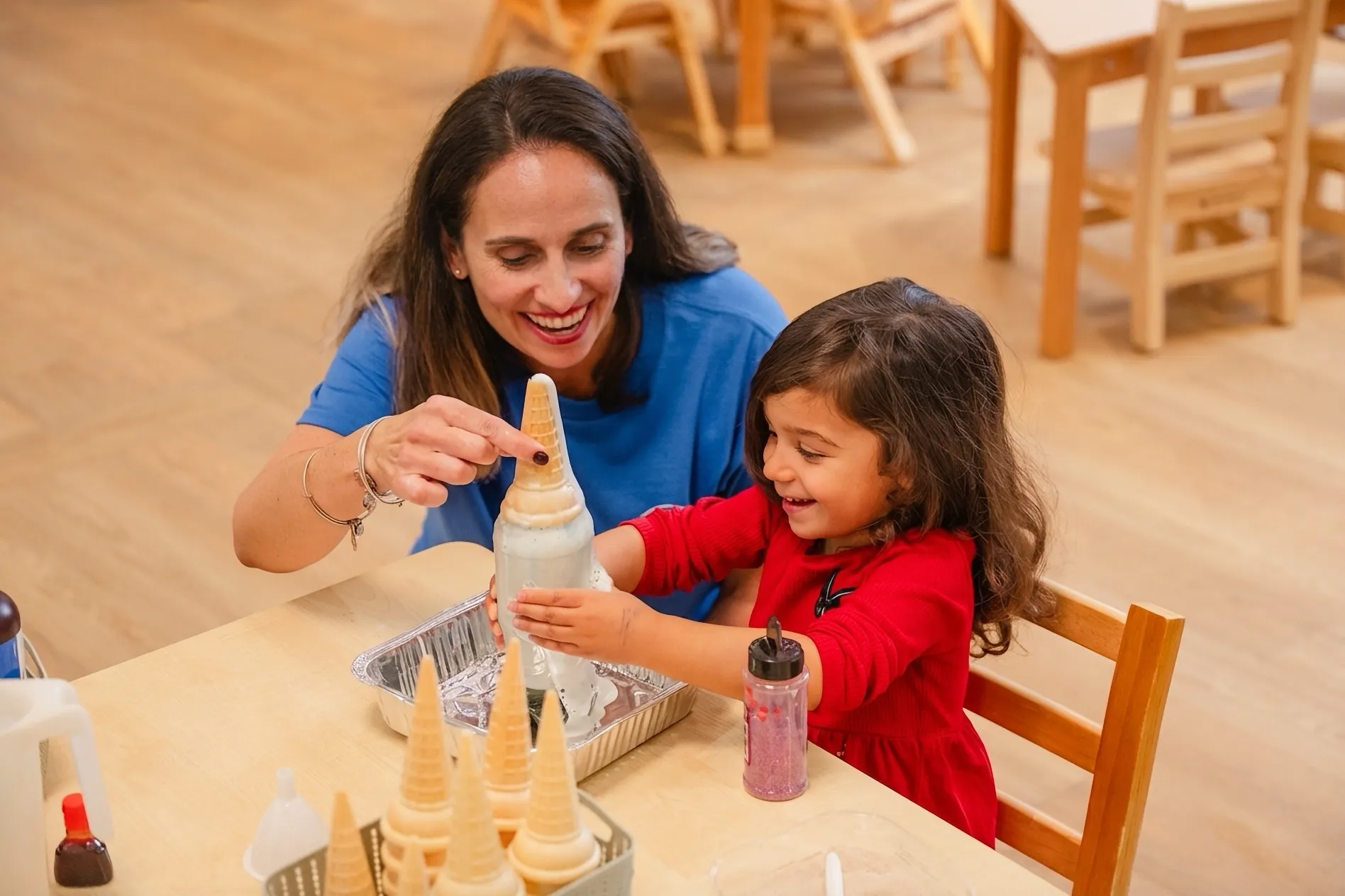
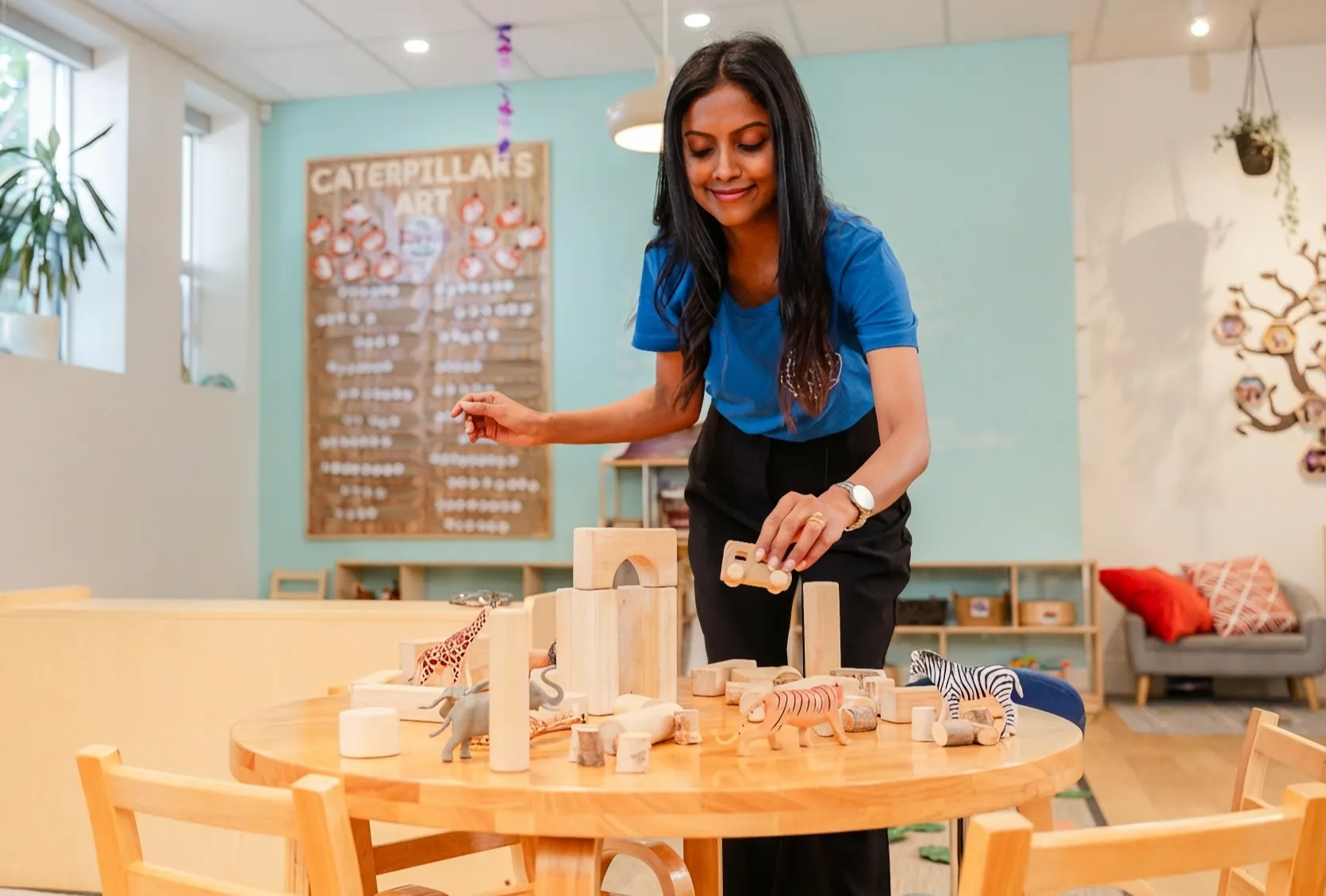
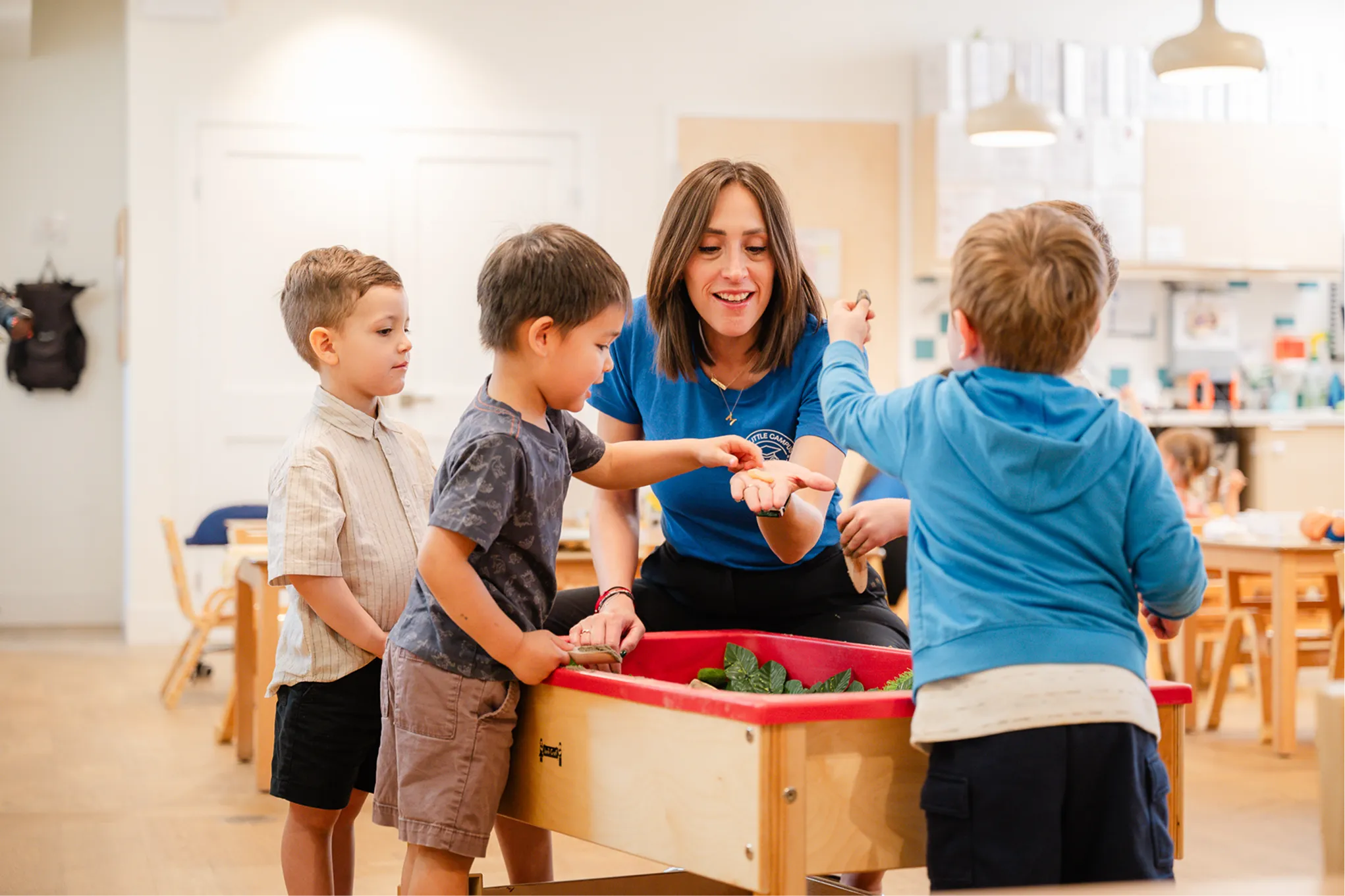
Young children learn through doing. Our classrooms are full of materials children can touch, build, and manipulate.
When a three-year-old can pour their own water, choose their activity, and clean up afterward, they're building real capability. But striving for independence doesn't mean abandonment. We patiently help and support when it is needed.
We don't rank children against each other or rely on gold stars and stickers to drive behaviour. The best motivation comes from within.
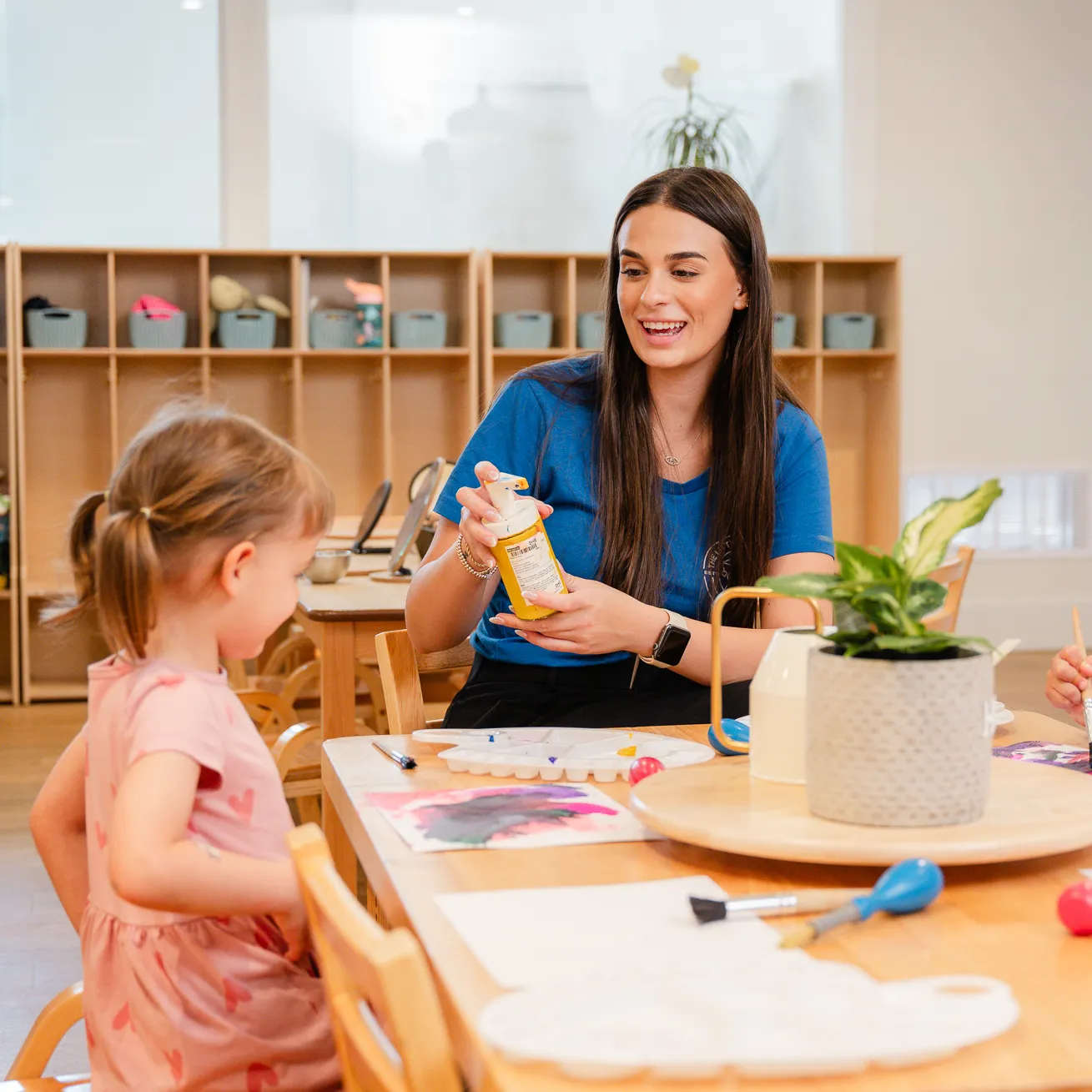
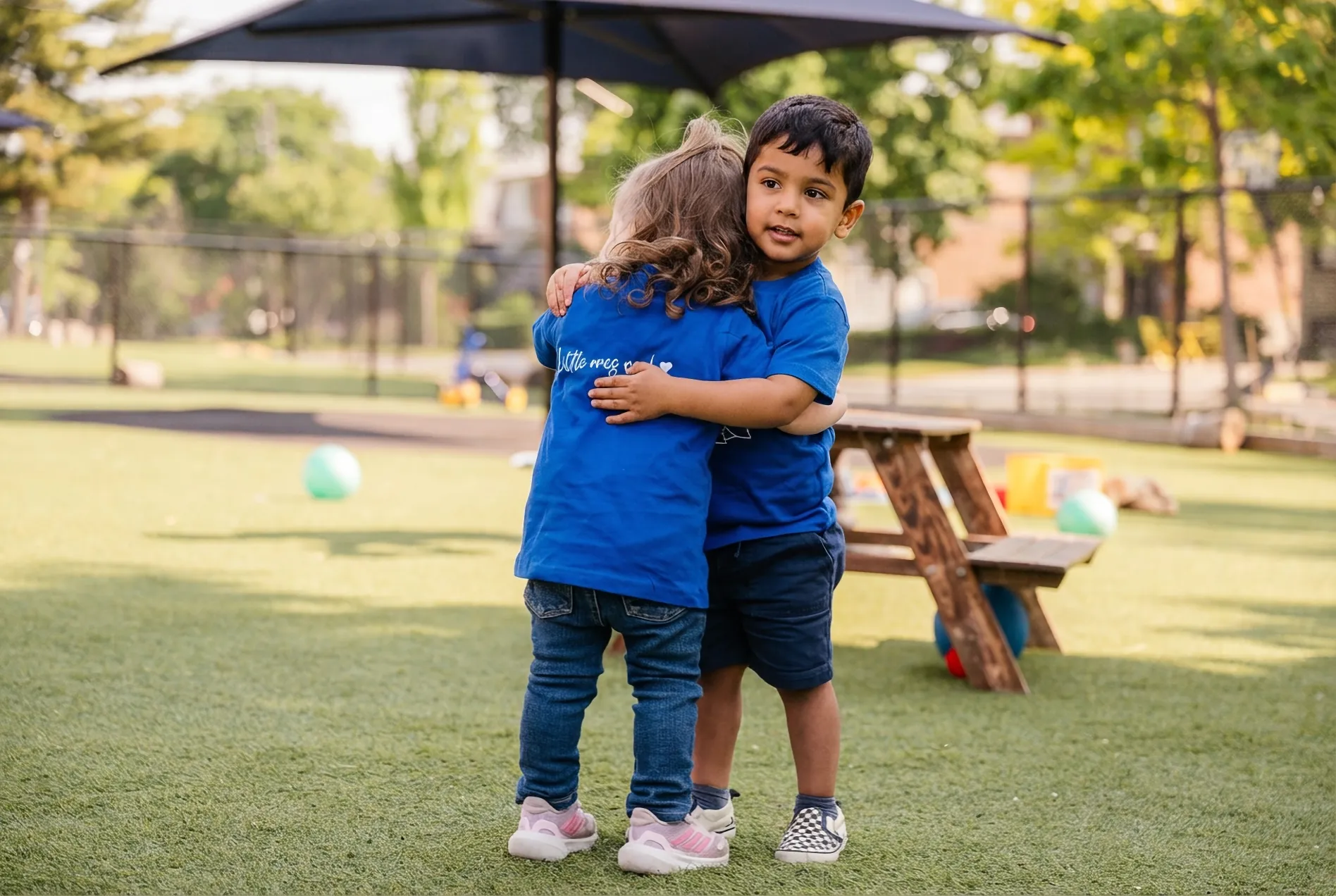
We don't leave relationship skills to chance. Our educators actively help children develop self-awareness, manage their emotions, build empathy, and navigate social situations. CASEL's research shows these skills predict success in school and in life.
Some children need more support. Some need more space. Some need an adult to gently guide them toward a new activity. Others thrive with total autonomy. We fit our approach to the child, not the other way around. This is what personalized early learning actually means.
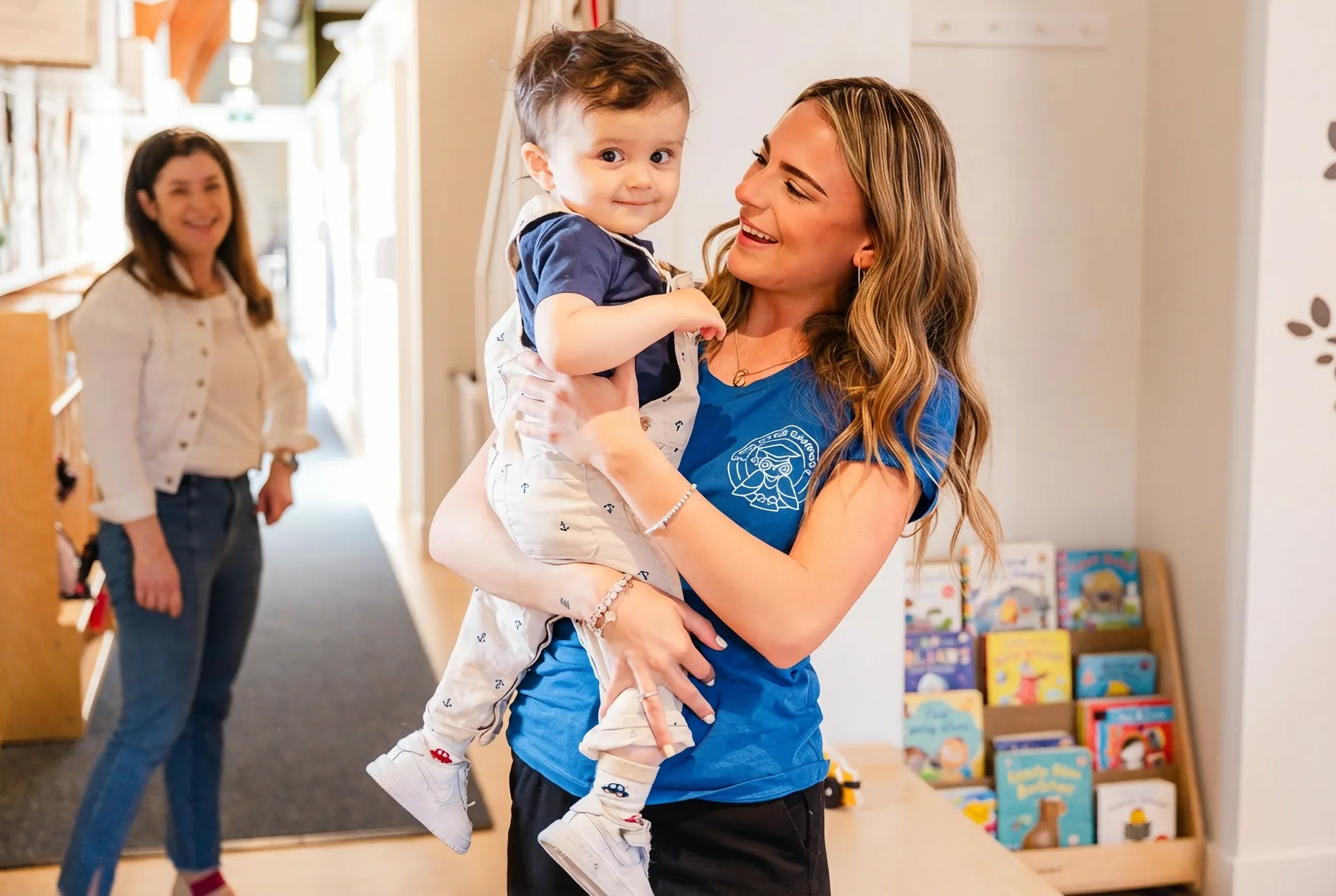
At The Little Campus, every staff member knows every child by name and needs. They know their interests, their challenges, their families. That comes from having a stable, experienced team. Children don't have to re-establish trust with new faces every few months.
Children spend their days in spaces designed for them, not in retrofitted office buildings or converted basements. Our classrooms are calm, and built around natural materials. Our outdoor space sits on a half acre of land where children are free to move and run freely, rather than pace around in a fenced-in parking lot.
We kept everything that made Montessori effective, and combined it with what the past century of developmental science and social-emotional learning research has taught us.
Maria Montessori got a lot right: self-direction, hands-on learning, intrinsic motivation, respecting developmental pace.
But we've learned much more about brain development since 1907. The role of relationships, the importance of direct social-emotional instruction, and the need for flexibility in meeting individual children where they are critical to early childhood development.
The Whole Child Approach pulls these threads together: Montessori's foundation, plus everything developmental science has added in the hundred years since.