ready-for-life
The Whole Child Approach as an educational philosophy
Discover how the Whole Child Approach nurtures every part of your child's growth:
from health and safety to emotional support and learning challenges.

Discover how the Whole Child Approach nurtures every part of your child's growth:
from health and safety to emotional support and learning challenges.
This holistic method extends beyond the traditional focus on academics to include physical, social, emotional, and cognitive growth, ensuring each child's overall development while enhancing their academic performance throughout their educational journey.
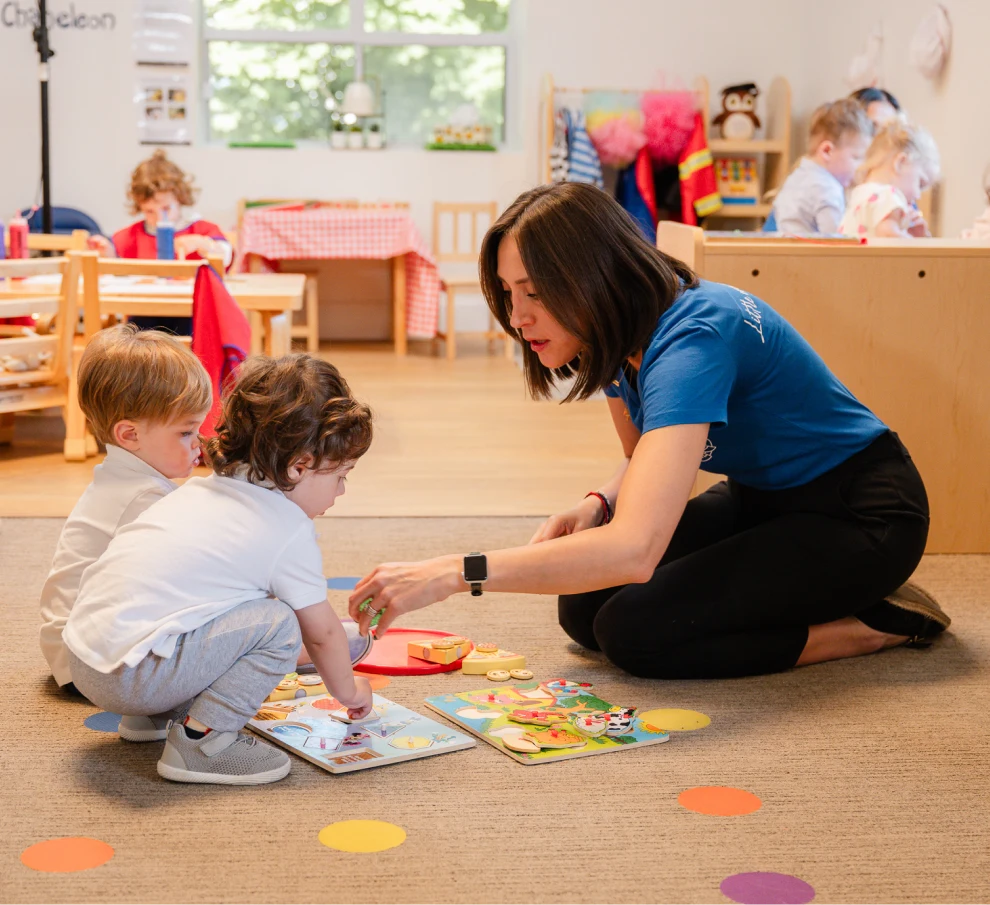
Central to the Whole Child Approach is the recognition that children are unique individuals with diverse needs and potentials. By providing personalized support structures and opportunities tailored to each child, this approach aims to foster long-term success in all areas of life.
When children are immersed in an environment that embraces Whole Child principles they are empowered to learn to the best of their abilities and develop into well-rounded individuals.
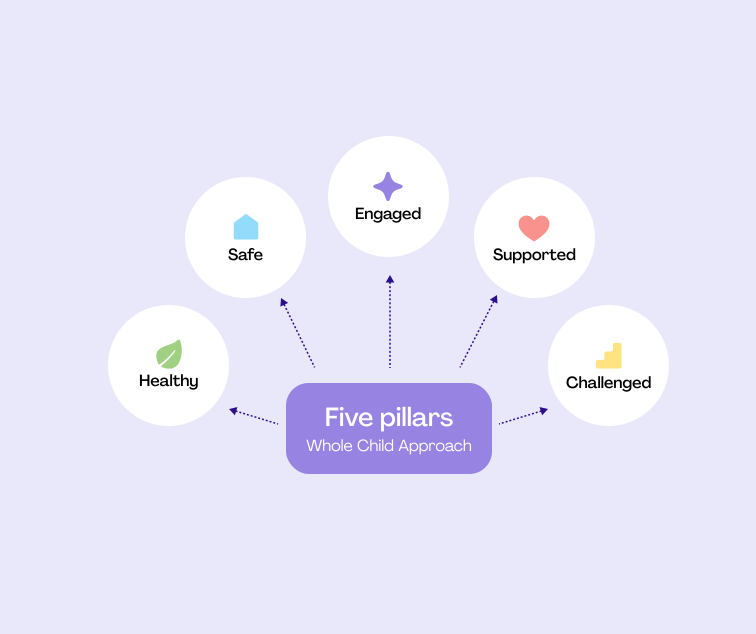
The Whole Child Approach is built upon five fundamental pillars: Healthy, Safe, Engaged, Supported, and Challenged. By addressing these areas comprehensively and tailoring strategies to individual needs, educators can ensure that every child receives the attention and resources they need to thrive
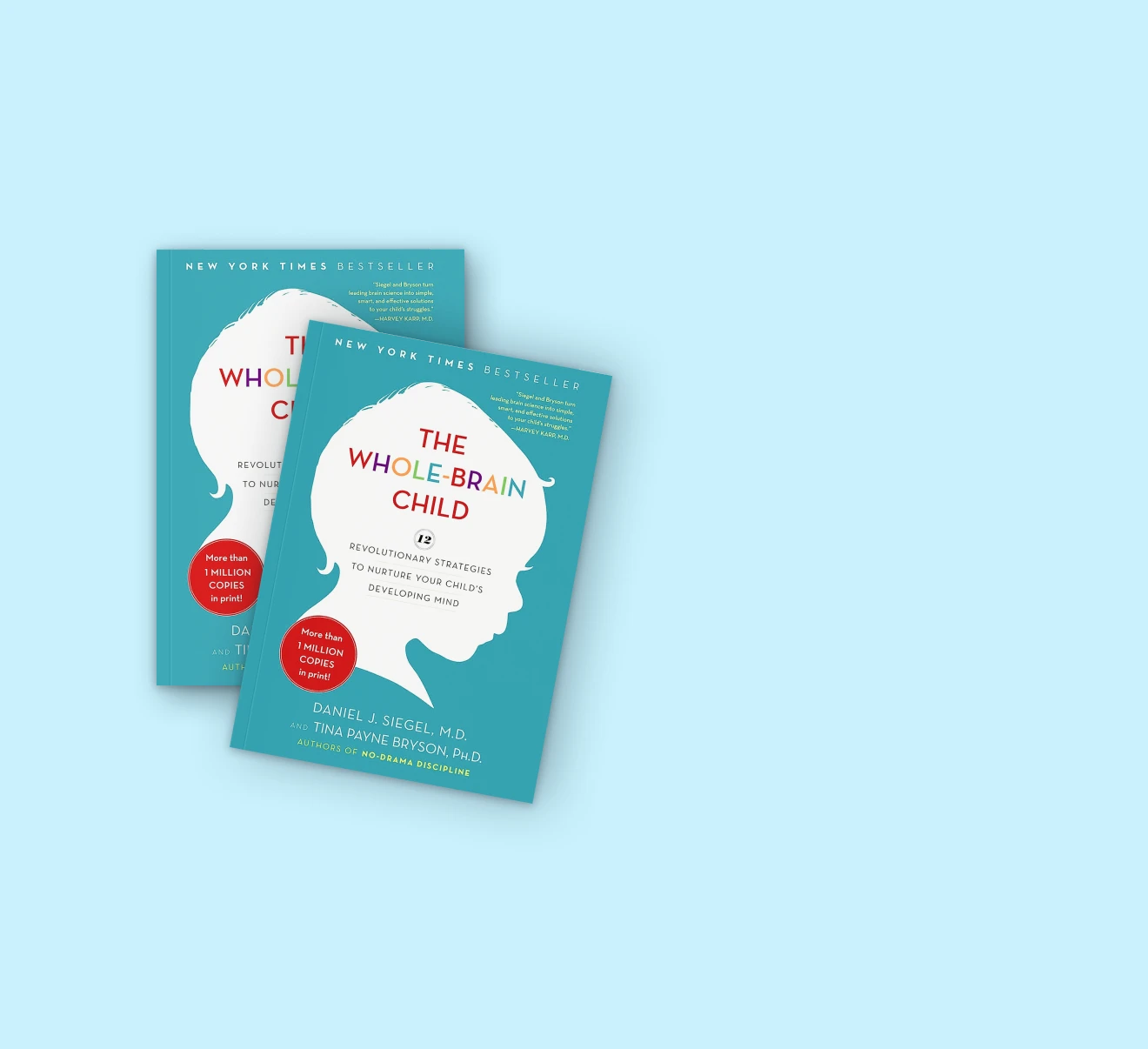
This approach is not merely theoretical but is supported by extensive research and widely respected in educational communities. For instance, "The Whole-Brain Child" by Daniel J. Siegel explains how a child's developing brain functions and offers practical strategies to nurture children's minds, further enriching our understanding and application of Whole Child development.
By embracing the Whole Child Approach, we strive to create an educational experience that not only prepares children for academic success but also equips them with life skills, emotional intelligence, and resilience.
This holistic method extends beyond the traditional focus on academics to include physical, social, emotional, and cognitive growth, ensuring each child's overall development while enhancing their academic performance throughout their educational journey.
Central to the Whole Child Approach is the recognition that children are unique individuals with diverse needs and potentials. By providing personalized support structures and opportunities tailored to each child, this approach aims to foster long-term success in all areas of life.
When children are immersed in an environment that embraces Whole Child principles they are empowered to learn to the best of their abilities and develop into well-rounded individuals.
The Whole Child Approach is built upon five fundamental pillars: Healthy, Safe, Engaged, Supported, and Challenged. By addressing these areas comprehensively and tailoring strategies to individual needs, educators can ensure that every child receives the attention and resources they need to thrive
This approach is not merely theoretical but is supported by extensive research and widely respected in educational communities. For instance, "The Whole-Brain Child" by Daniel J. Siegel explains how a child's developing brain functions and offers practical strategies to nurture children's minds, further enriching our understanding and application of Whole Child development.
By embracing the Whole Child Approach, we strive to create an educational experience that not only prepares children for academic success but also equips them with life skills, emotional intelligence, and resilience.
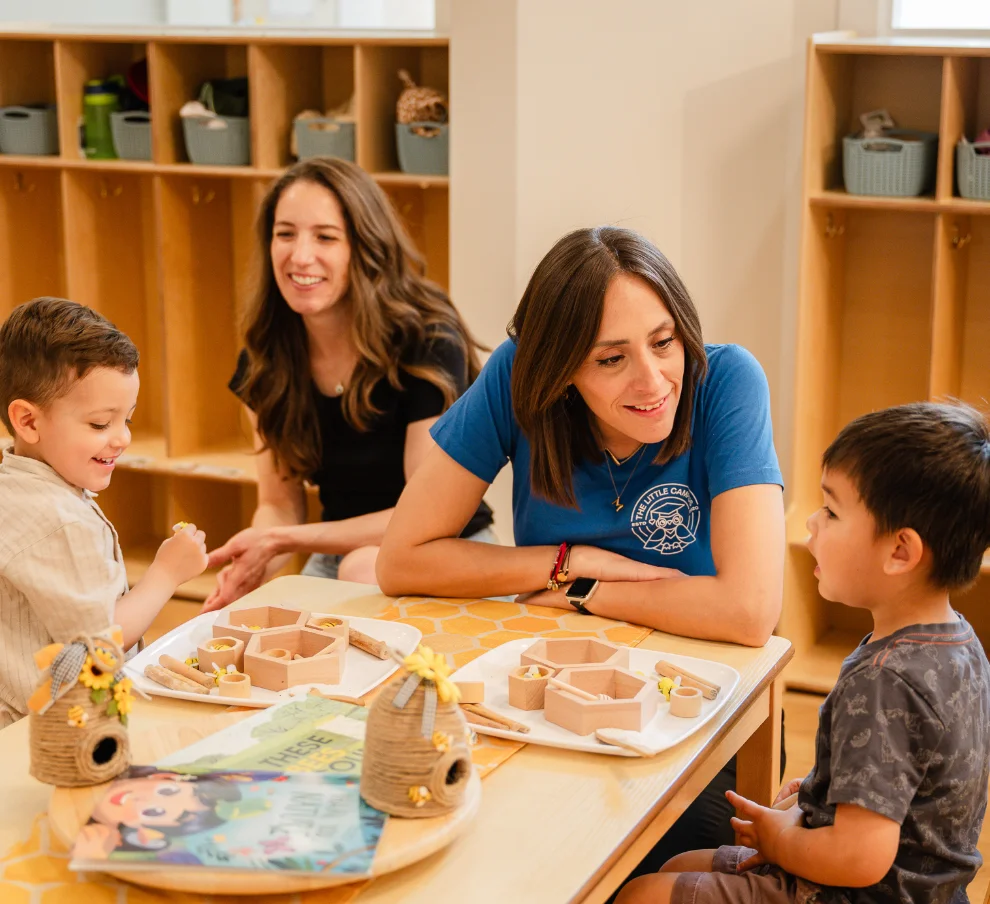
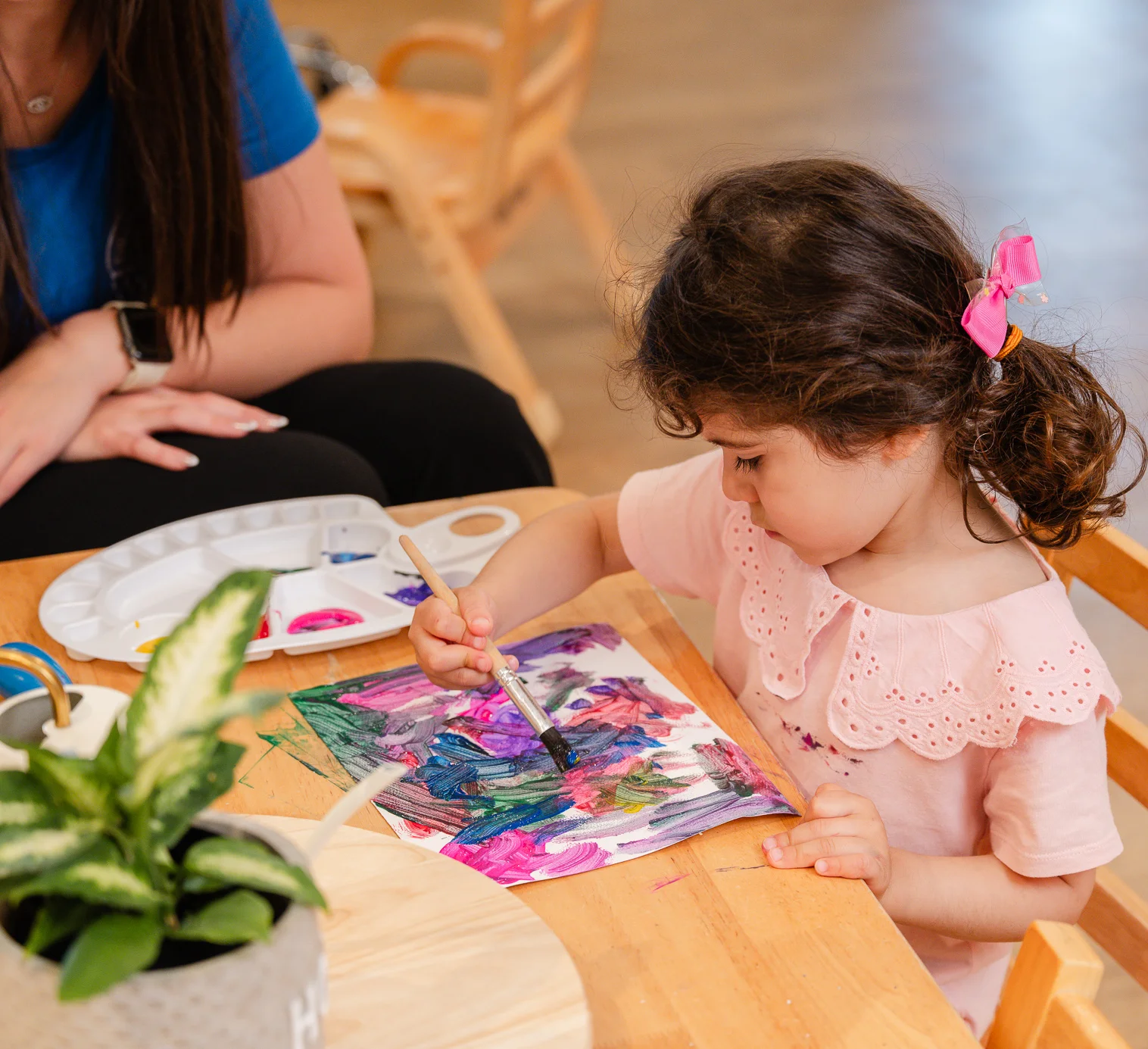
The Whole Child Approach is anchored in five fundamental pillars that collectively foster comprehensive development: Healthy, Safe, Engaged, Supported, and Challenged. A "whole child" is curious, creative, caring, empathetic and confident.

Fostering physical and emotional well-being
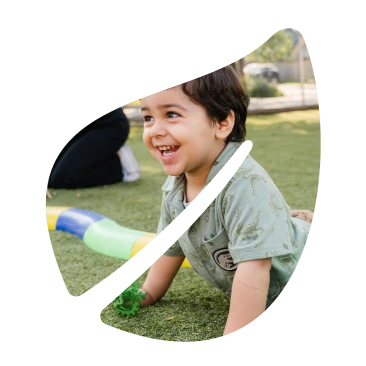
A child's growth and learning are deeply rooted in their overall health. Beyond physical wellness, this pillar emphasizes emotional well-being and self-regulation. For instance, encouraging children to engage in physical activities like navigating playground equipment promotes physical health, while teaching mindfulness techniques, such as deep breathing, supports emotional balance. By integrating these practices, children develop a harmonious relationship with their bodies and minds.
Promoting nutritious eating habits
Encouraging regular physical activity
Teaching self-care routines
Fostering emotional resilience
Facilitating sensory exploratio

Ensuring physical and emotional security
A secure environment is paramount for effective learning. Safety encompasses not only physical protection but also emotional and psychological well-being. When children feel safe, they are more likely to participate actively, share ideas, and explore new concepts without fear. Creating such an environment involves establishing trust, inclusivity, and consistent routines that make children feel valued and protected.
Maintaining a physically secure setting
Cultivating an inclusive atmosphere
Supporting mental health initiatives
Fostering emotional resilience
Enhancing social skills and conflict resolution abilities

Learning through play and exploration
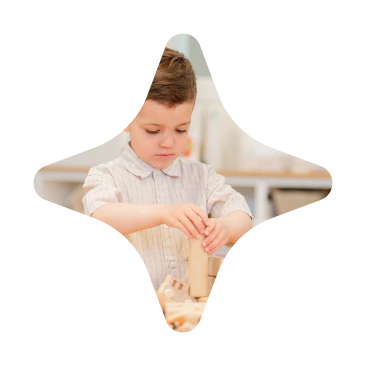
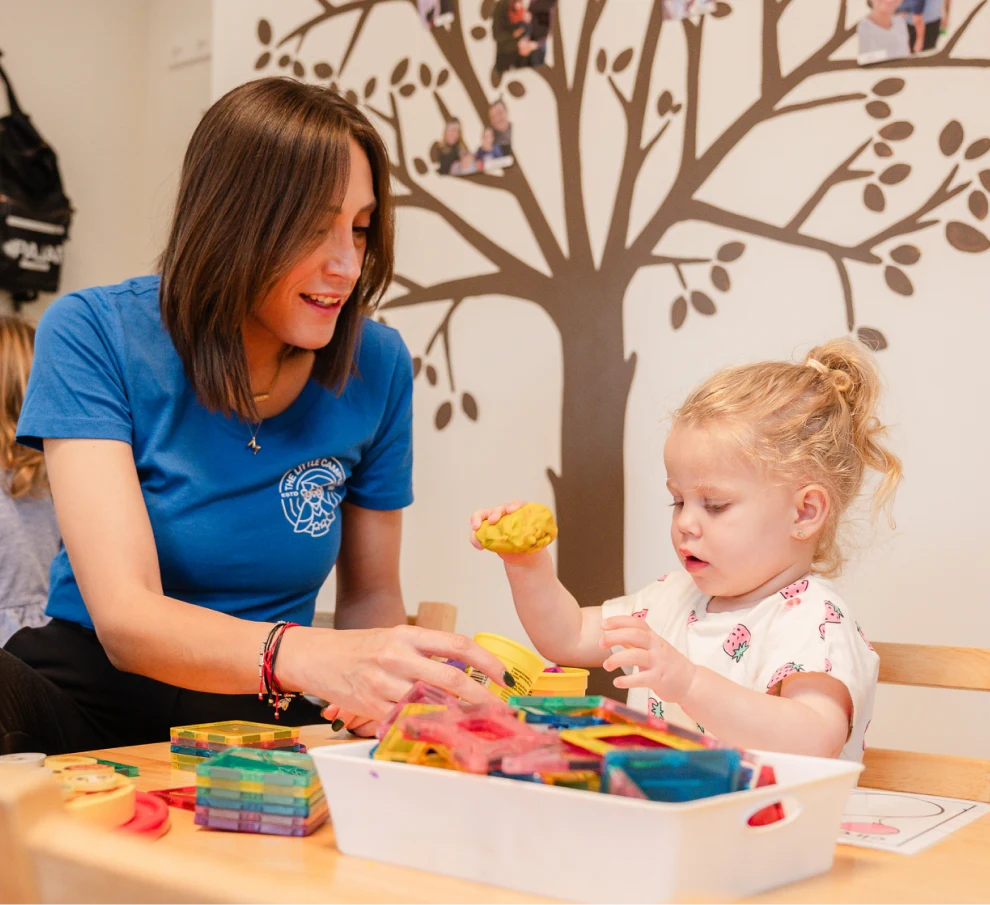
Engagement is characterized by a child's active and enthusiastic involvement in learning activities. When children are engaged, they exhibit curiosity, creativity, and a willingness to explore. For example, a child deeply involved in constructing a block tower demonstrates problem-solving skills and perseverance. Such engagement leads to deeper understanding and a lifelong passion for learning.
Implementing interactive and hands-on learning experiences
Developing critical thinking and problem-solving skills
Nurturing curiosity through exploration
Integrating music and auditory learning techniques

Building strong relationships and self-esteem
Supportive environments are essential for holistic development. When children feel supported by educators and peers, they gain the confidence to express themselves and take on new challenges. Utilizing positive teaching methods, such as emphasizing desired behaviors over prohibitions (e.g., saying "use your walking feet" instead of "no running"), reinforces a nurturing atmosphere. Programs that focus on social-emotional learning further enhance this support, helping children develop empathy and emotional intelligence.
Employing specialized educator training
Fostering positive and trusting relationships
Developing empathy and emotional awareness
Building self-identity and confidence
Encouraging curiosity and a love for learning

Encouraging growth through appropriate challenges
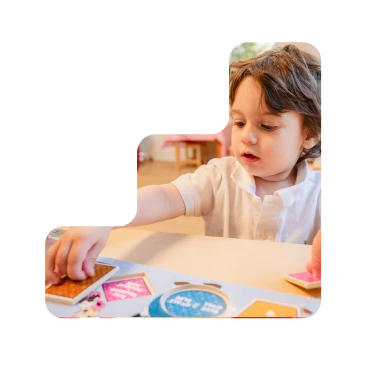
Providing children with tasks that are suitably challenging promotes cognitive and personal development. The goal is to stretch their abilities without causing undue frustration. For instance, encouraging a child to attempt a slightly more complex puzzle than they are accustomed to can enhance problem-solving skills and resilience. This approach ensures continuous learning tailored to each child's pace and capabilities.
Offering a comprehensive and enriching academic curriculum
Facilitating early literacy and numeracy skills
Enhancing language and communication abilities
Promoting self-help and independence
Adopting individualized learning strategies
Dive deeper into how the Whole Child Approach supports every aspect of your child's development, and how it compares to Montessori.