Montessori
Method
Method
VS
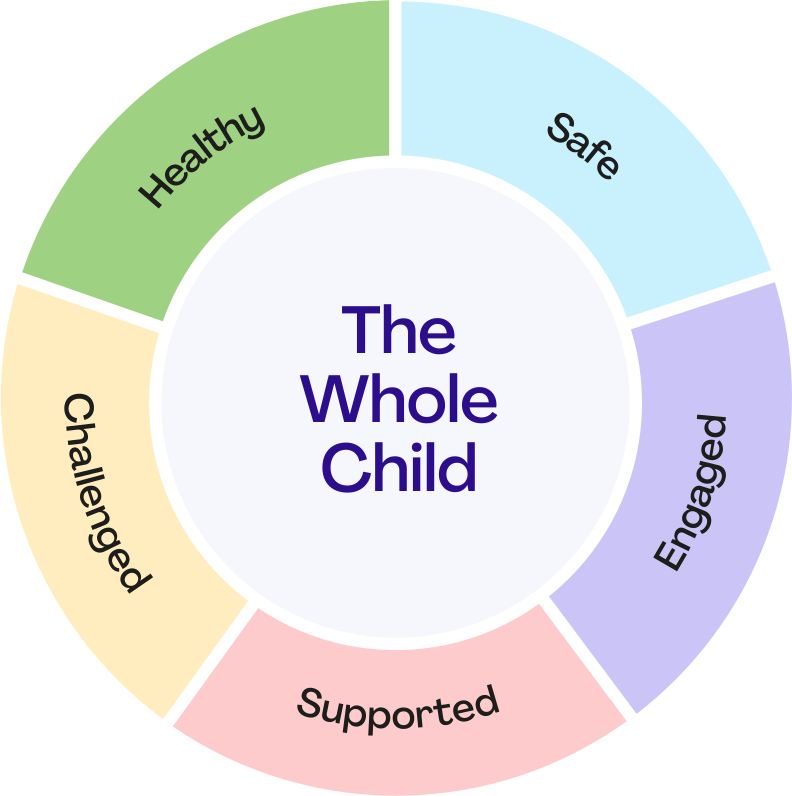
The Whole
Child Approach
Child Approach
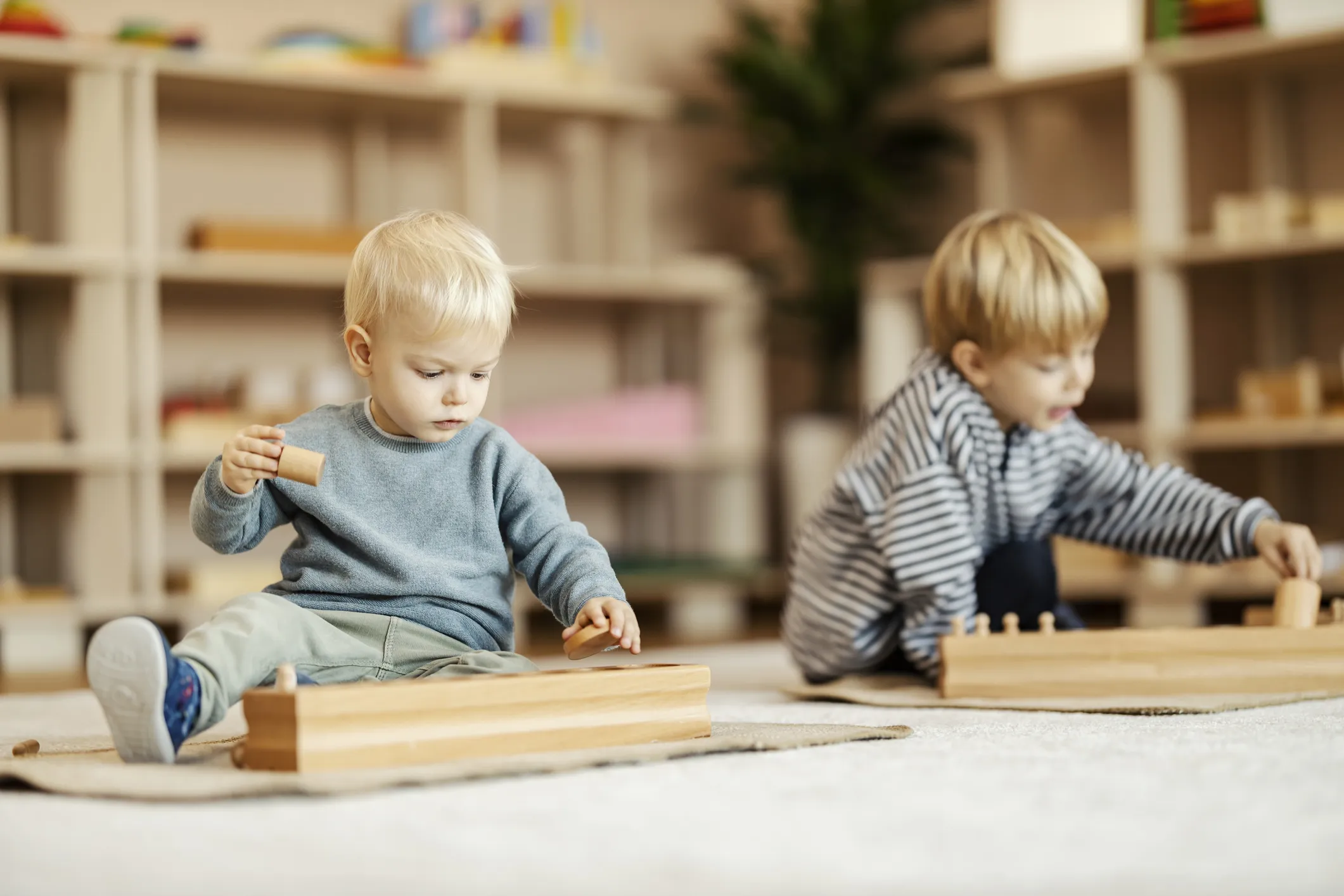
When exploring educational philosophies for your child, understanding the nuances between approaches is crucial. Both the Whole Child Approach and the Montessori Method prioritize holistic development and respect for individual learners.
However, the Whole Child Approach offers distinctive advantages that cater to a broader range of developmental needs.
Both methodologies aim to nurture not just academic abilities but also physical, social, emotional, and cognitive growth, recognizing the interconnectedness of these domains.
Each approach values the child’s individuality, promoting environments where learners are respected as active participants in their education.
Both philosophies emphasize creating structured settings that encourage exploration and self-directed learning.
During this formative window, children build the foundation for learning, confidence, and emotional well-being. That’s why finding care that truly honors this critical stage — a place that feels not just safe, but like a nurturing second home — can feel overwhelming. Many parents know the struggle all too well.
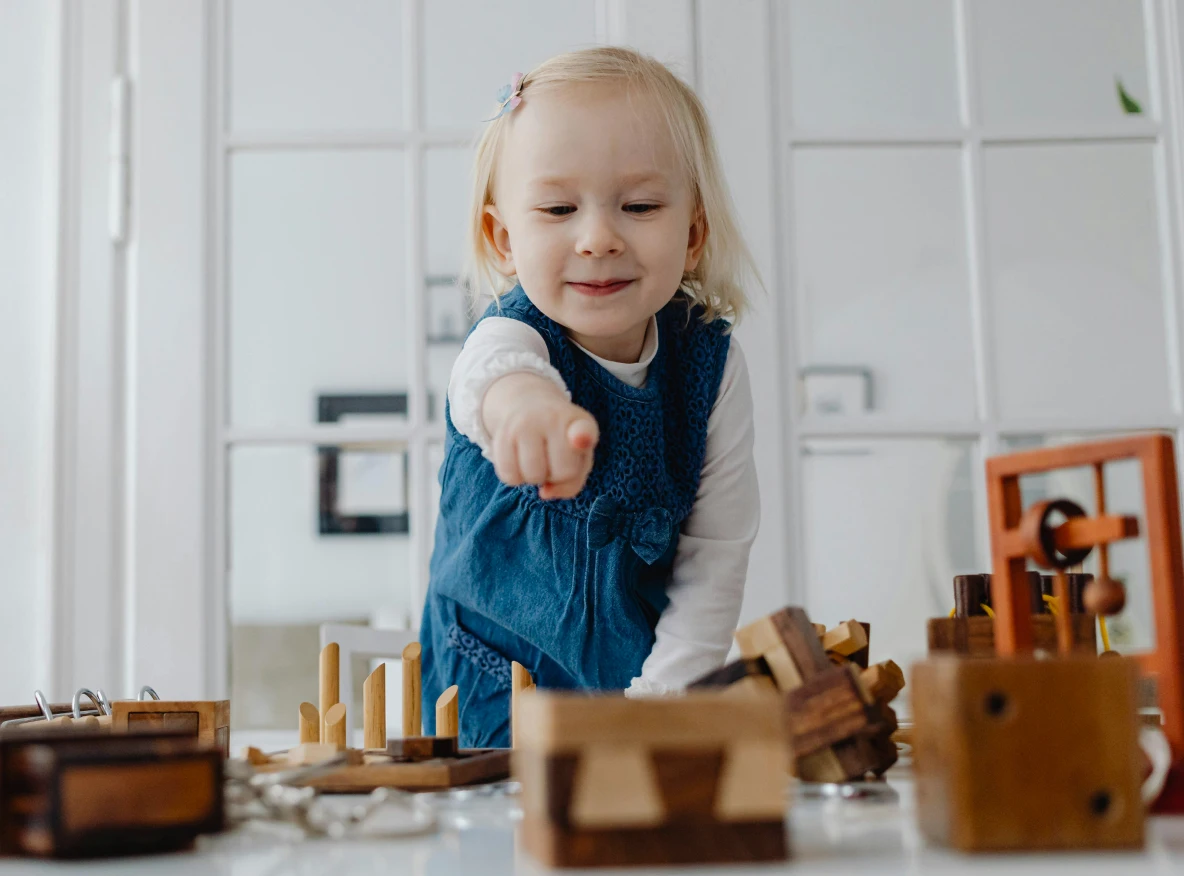

Our founder, Tami Zuckerman, experienced it firsthand. As both an educator and a mother searching for the right care for her daughter, Addison, she saw the challenges up close: daycares overwhelmed by burnout and high staff turnover, breaking the bonds children need most. Classrooms where little ones were left crying, unattended, due to chronic understaffing.
Environments that felt cold and chaotic instead of warm, curious, and enriching. And outdoor spaces that were more like parking lots than playgrounds — offering none of the green, open space children need to run, play, and explore freely.
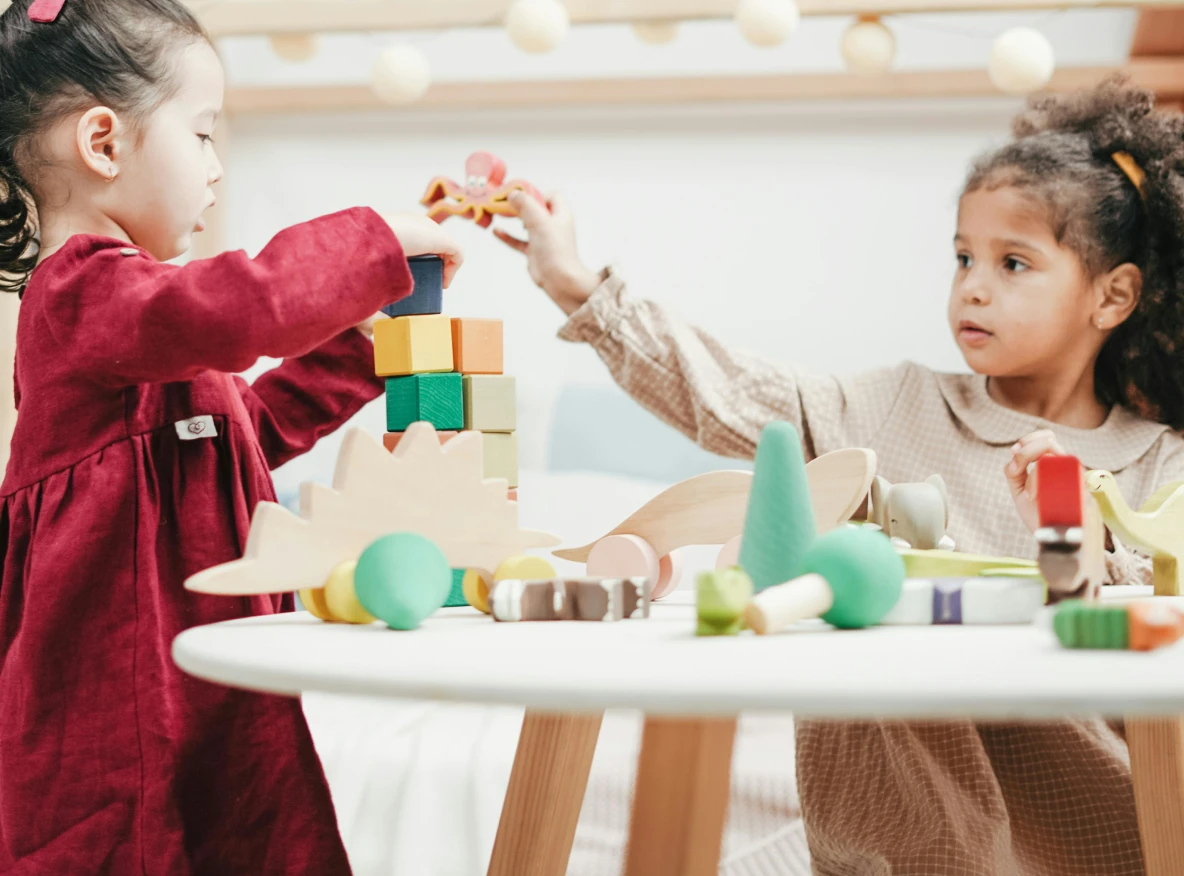

That desire to find a place where your child is truly understood — a warm, loving environment that nurtures their growth, encourages their curiosity, and challenges them to thrive? Tami knew it all too well.
The calm, nurturing space she imagined, one that embraced the whole child, simply didn’t exist. So, fueled by a mother’s love and a desire to create something different for her daughter and the community, she built it.
That’s the heart of The Little Campus.


Maintains regular communication to ensure consistency between home and school environments, fostering a cohesive support system for the child.

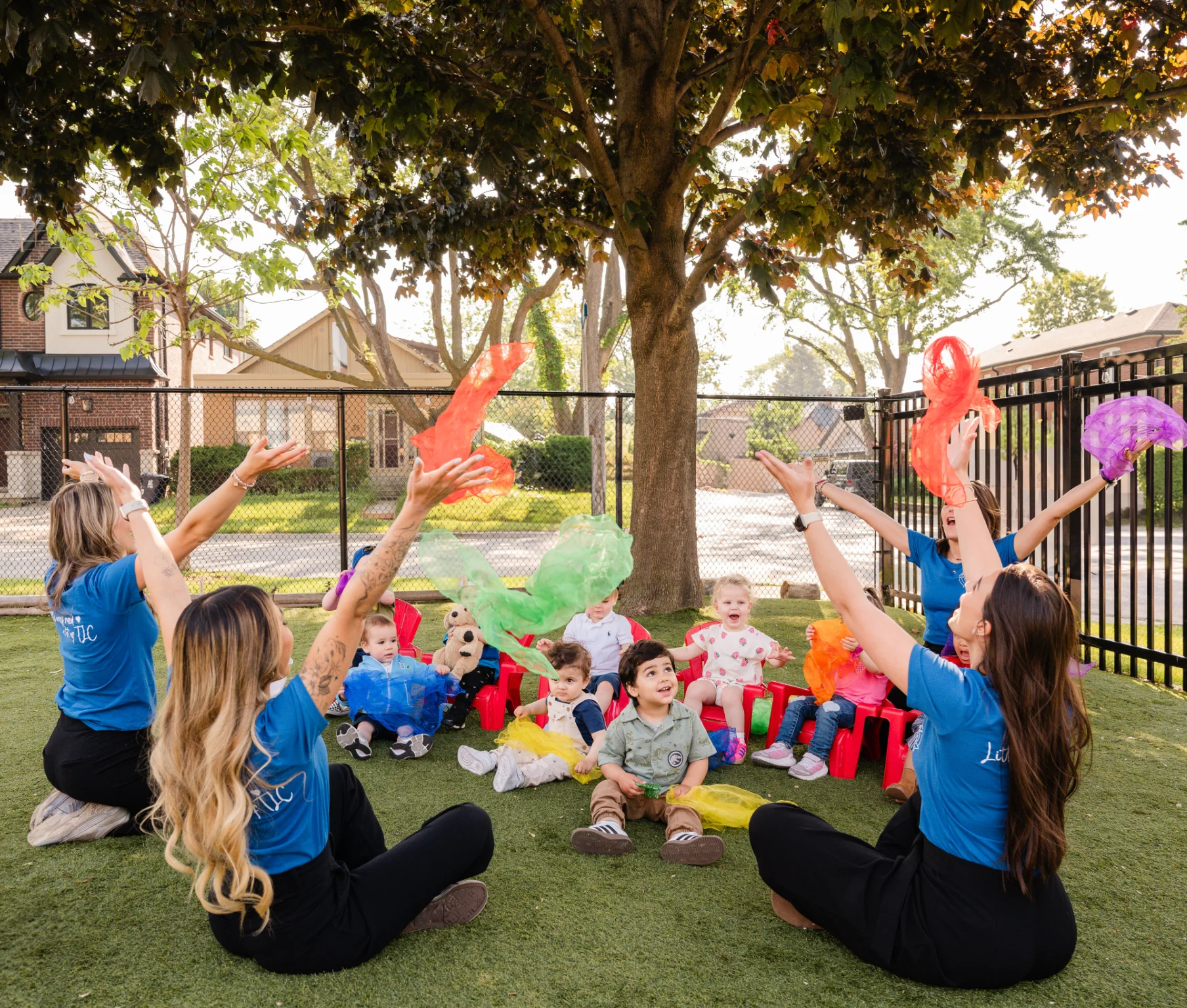
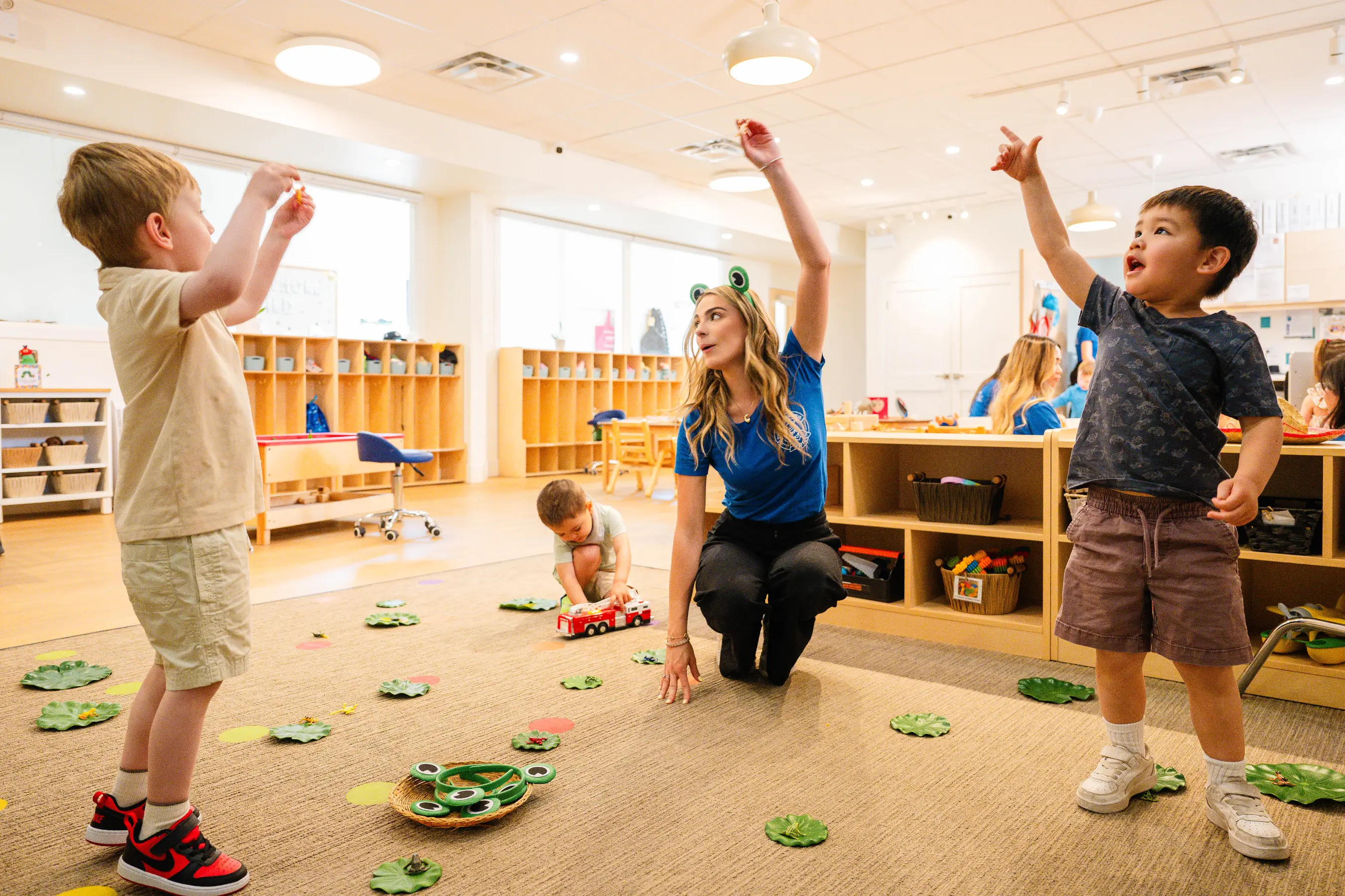
Integrates outdoor experiences to connect children with the natural world, enhancing physical and mental well-being.

Incorporates techniques to support emotional well-being and self-awareness, equipping children with tools to manage stress and build resilience.

Encourages critical thinking and collaboration through engaging, real-world projects that make learning meaningful and applicable.

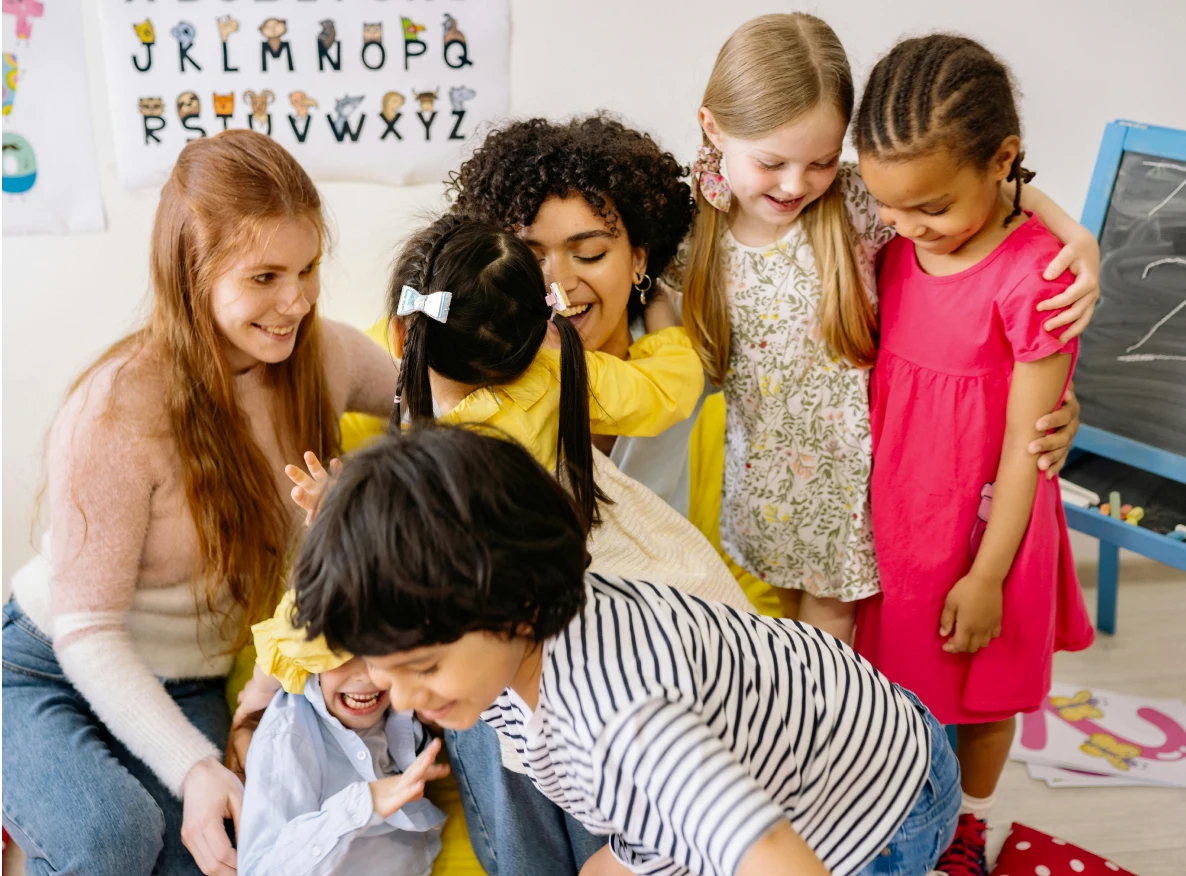
Emphasizes cultural awareness and appreciation for diversity, fostering global citizenship and inclusivity.
By embracing a personalized and adaptable approach, the Whole Child philosophy aims to nurture well-rounded individuals prepared to thrive in all aspects of life. Recognizing each child’s unique strengths and developmental pace, it supports comprehensive growth across cognitive, physical, social, and emotional domains.
When choosing an educational path, consider your child’s individual needs and learning style.
Montessori got a lot of things right, and the best parts of that tradition live on in the Whole Child Approach. Read what Montessori gets right and how we build on those insights.
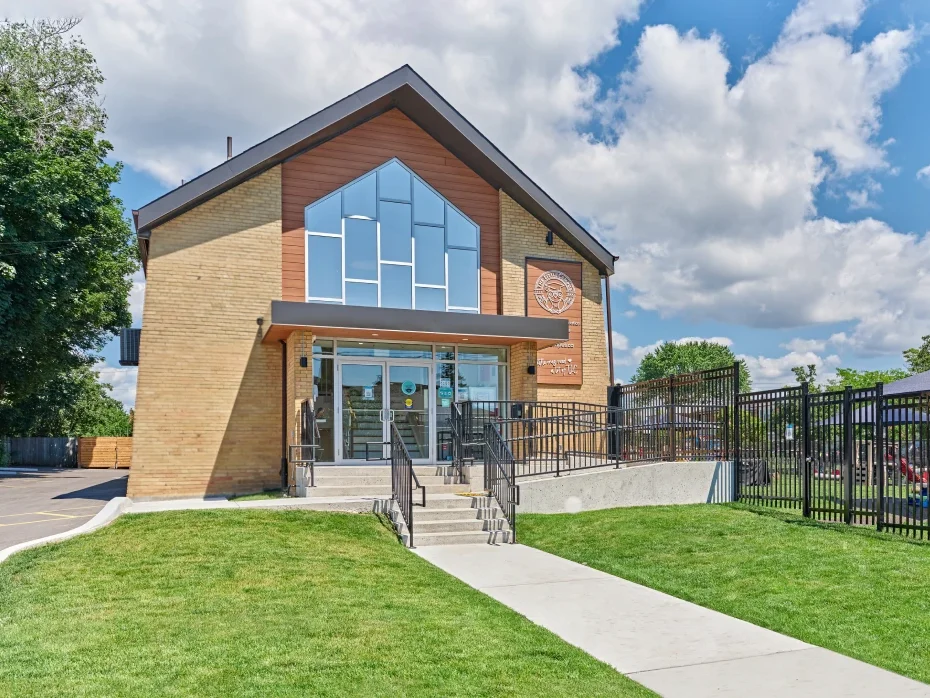
Experience the Whole Child Approach firsthand. Book a tour today to see if it’s right for your family.